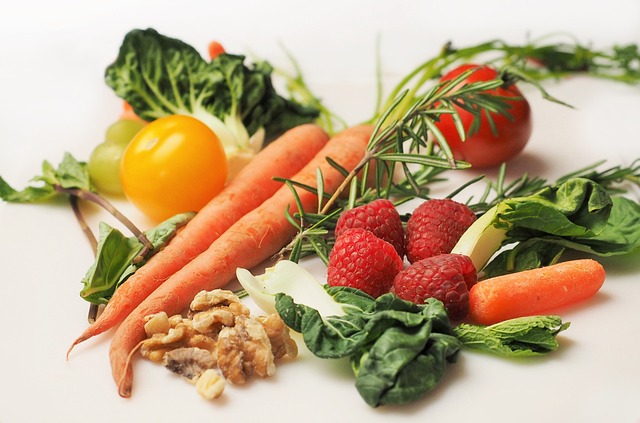
What is considered Healthy Food?
A healthy diet consists of foods that contain a variety of fiber, healthy fats, vitamins, and minerals. Healthy foods can be organized into food groups including fruits, vegetables, grains, protein, and dairy. It is important to eat a variety of different foods because the body uses different nutrients for different functions. Water is the recommended beverage for staying hydrated. A lack of nutrients negatively affects mental health because it can make a person feel lethargic, depressed, anxious, and contribute to other neuropsychiatric conditions. Diets high in unhealthy foods like processed foods, refined sugar, and caffeine also negatively affect mental health by causing inflammation, mood swings, and impairing memory.
How does Nutrition Improve Mental Health?
The structure and function of the brain are dependent on nutrients such as amino acids, lipids, vitamins, and minerals. These nutrients also help to protect the microbiome of the gut, which is responsible for producing the “feel good” neurotransmitter serotonin. The nutrients in healthy food positively affect mental health because the gut-brain axis regulates emotions, protects cognitive function, and coordinates immune response. Maintaining a healthy gut microbiome by consuming a healthy diet helps to reduce stress and inflammation in the brain. Studies show that diets high in fresh fruits and vegetables contribute to reports of higher levels of happiness and well-being.
Reference: Adan, R. A. H., van der Beek, E. M., Buitelaar, J. K., Cryan, J. F., Hebebrand, J., Higgs, S., Schellekens, H., & Dickson, S. L. (2019). Nutritional psychiatry: Towards improving mental health by what you eat. European Neuropsychopharmacology, 29(12), 1321–1332. https://doi.org/10.1016/j.euroneuro.2019.10.011